






Mastering Your Jeep Scheduled Maintenance
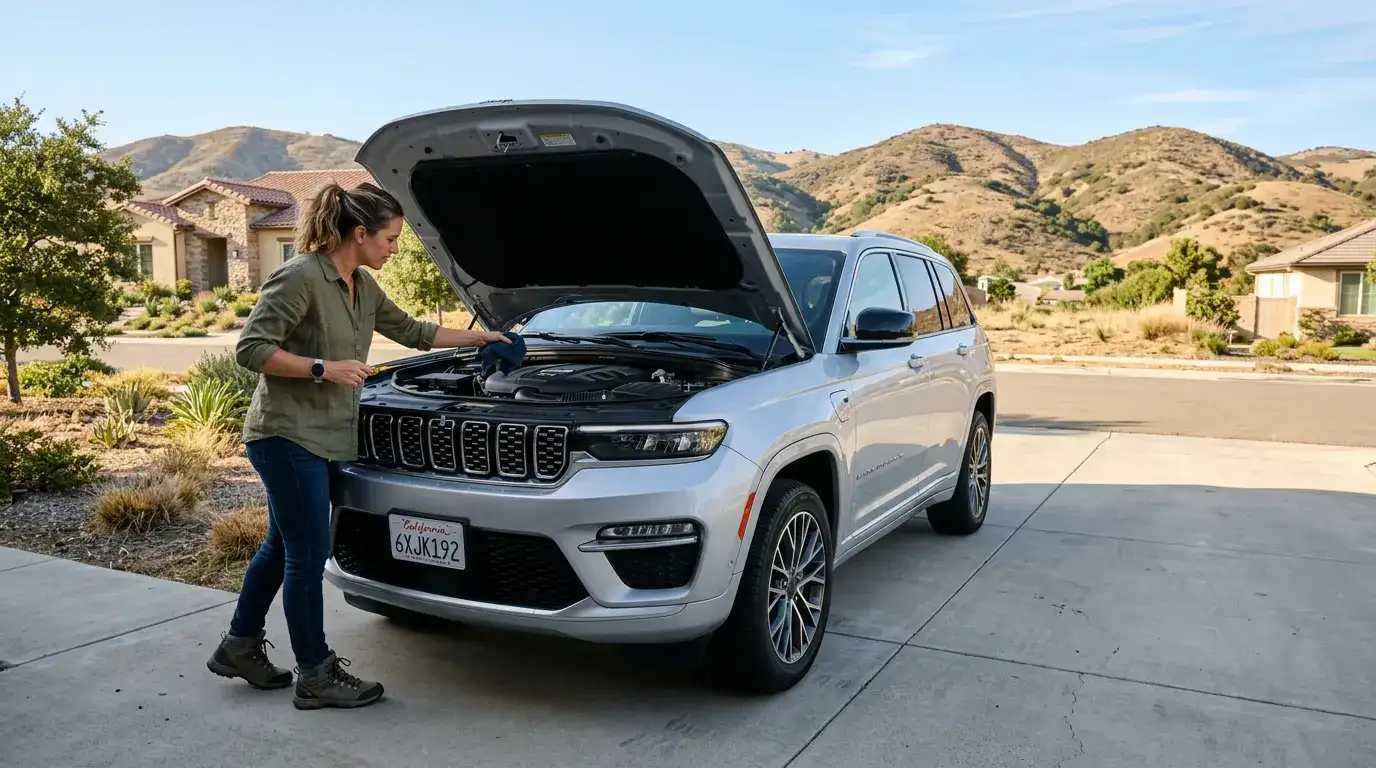
Preventive care is the foundation of vehicle longevity, especially for SUVs engineered to transition from daily highway commutes to demanding dirt trails. Keeping up with your factory-recommended service intervals ensures your vehicle continues to deliver the dependable traction, passenger safety, and mechanical durability you expect. At Crown Dodge Chrysler Jeep RAM, our factory-trained technicians understand the unique demands placed on your vehicle by regional driving patterns, coastal air, and varied terrain.
Many drivers who visit our service center ask how local driving conditions affect their upkeep schedules. If you regularly navigate the steep, demanding incline of the Conejo Grade near Camarillo, your engine, transmission, and braking systems experience elevated thermal stress compared to vehicles driven strictly on flat coastal plains. This type of driving qualifies as a severe duty cycle, which means certain fluids and wearable components require more frequent inspections and replacements to prevent premature wear.
Consistently adhering to your maintenance schedule does more than protect your engine; it also preserves your factory warranty coverage and helps maintain a strong future resale value. Our team keeps a precise digital log of every service performed on your vehicle, making it easy to track what has been completed and what is coming up. When your vehicle is due for its next checkup, you can secure an appointment quickly by using our online service scheduler. If you prefer to speak directly with a service advisor to discuss a specific mechanical concern, please give our department a quick call. For major repairs or scheduled mileage checkups, you can easily find our service center location right off the main highway in Ventura.
Table of Contents
- Understanding the Recommended Service Intervals for Your 2025 Jeep SUV
- How Often Does a 2025 Jeep Need an Oil Change and Tire Rotation?
- Managing Hybrid Maintenance for 4xe Models
- Transitioning from Jeep Wave Benefits to FlexCare Vehicle Protection
- Quick Answers Before You Visit
- Get Express Maintenance and Schedule Your Next Jeep Service Online
Understanding the Recommended Service Intervals for Your 2025 Jeep SUV
Every modern SUV is equipped with engineering safeguards to monitor component wear, but following a structured mileage-based schedule remains the most effective way to manage preventive care. Jeep models utilize an automatic oil change indicator system that calculates oil life based on engine operating temperatures, idle time, and driving habits. However, even under ideal driving conditions, you should never exceed 10,000 miles or 12 months between engine oil and filter services.
For standard road-going models like the 2026 Jeep Compass, which features a 2.0L turbocharged engine and an 8-speed automatic transmission, a standard service sequence occurs in predictable increments. At the 20,000-mile mark, technicians will replace the cabin air filter, inspect the front suspension, and examine the universal joints. Once your vehicle reaches 30,000 miles, it is highly recommended to inspect the transfer case fluid and differential fluid levels. This inspection is particularly vital for vehicles that routinely tow trailers or spend time on dusty fire roads.
When your SUV requires replacement filters, spark plugs, or hardware, using factory-authorized components is essential for maintaining original performance standards. Our parts department is fully stocked with genuine Mopar parts and accessories designed specifically for your vehicle’s exact trim and engine configuration. Using these certified components guarantees proper fitment, preserves your warranty, and ensures that critical safety systems operate exactly as the manufacturer intended.
How Often Does a 2025 Jeep Need an Oil Change and Tire Rotation?
A common question among SUV owners is how to balance oil changes with tire rotations for maximum efficiency. For most modern models, including the 2026 Jeep Grand Cherokee, a standard preventive maintenance guideline is to perform an oil change and tire rotation every 5,000 to 7,500 miles. Aligning these two services not only saves you time in the service bay but also ensures your vehicle maintains balanced handling and optimal fuel economy.
Regular tire rotations are especially critical for four-wheel-drive systems. Because power is distributed to all four wheels, uneven tire wear can place unnecessary stress on the transfer case and differential gears. Rotating the tires in a certified pattern every 5,000 to 6,000 miles helps distribute tread wear evenly, extends the overall lifespan of your tires, and ensures reliable traction when navigating wet coastal roads.
During these routine visits, our technicians also perform a comprehensive visual inspection of the braking system. If you commute daily through the dense, stop-and-go traffic corridors of Oxnard, your brake pads and rotors wear down faster due to constant friction and heat buildup. Catching thin brake pads during a routine tire rotation prevents damage to the rotors, saving you from more expensive brake repairs down the road.
Managing Hybrid Maintenance for 4xe Models
The introduction of plug-in hybrid technology, such as the innovative 4xe propulsion system, has changed how owners think about routine vehicle care. A common misconception is that the highly advanced dual-motor electric system requires a complicated, highly expensive maintenance routine. In reality, the high-voltage battery pack, power electronics, and electric motors are designed to be virtually maintenance-free over the lifespan of the vehicle.
However, because 4xe models still utilize a conventional turbocharged internal combustion engine alongside the electric drive system, standard engine maintenance remains necessary. The engine oil, engine coolant, and spark plugs must still be changed according to the factory mileage intervals. One unique aspect of hybrid ownership is that the gasoline engine may run less frequently during short trips, but the oil still ages and degrades over time due to fuel dilution and condensation, meaning the annual oil change requirement still applies.
Regenerative braking is another area where hybrid maintenance differs from traditional vehicles. When you slow down in a 4xe model, the electric motors capture kinetic energy to recharge the battery, which simultaneously slows the vehicle down. This process significantly reduces the physical workload on your traditional brake pads and rotors. While this means your brake pads will typically last much longer than those on a standard gasoline-powered SUV, routine annual brake inspections are still necessary to check for caliper slide lubrication and ensure the hydraulic fluid remains free of moisture.
Transitioning from Jeep Wave Benefits to FlexCare Vehicle Protection
For owners of model year 2021 through 2025 vehicles, the factory-backed loyalty program provided excellent peace of mind by covering the first two oil changes and tire rotations within the first 24 months of ownership. This program also provided helpful perks like trip interruption coverage up to $1,000 per occurrence and no-charge same-day vehicle rentals during routine service visits. While this program was highly valued by owners, it is important to note that the loyalty program has officially ended for model year 2026 vehicles and beyond.
To fill this gap and provide continuous, comprehensive coverage, Stellantis has introduced the FlexCare Vehicle Protection Program. This official service contract program is designed to offer customizable maintenance and extended warranty plans that pick up exactly where your factory coverage ends. Enrolling in a protection plan ensures that your vehicle continues to receive service from certified technicians using factory-authorized diagnostic tools.
If you are driving a 2025 model that is still actively enrolled in the original loyalty program, our service department will continue to honor all of your remaining covered oil changes and tire rotations. If your vehicle is transitioning out of its initial coverage period, or if you are driving a newer model year, our advisors can help you explore available protection plans to find a level of coverage that matches your driving habits and budget.
Quick Answers Before You Visit
Q: Does the service center offer a quick option for basic maintenance without an appointment? Yes, we feature dedicated express service lanes designed specifically for routine maintenance tasks like oil and filter changes, tire rotations, battery testing, and multi-point inspections. You do not need to schedule an appointment ahead of time to use these express lanes, allowing you to drop by at your convenience during our standard service hours.
Q: What is included in a standard 16,000-mile service visit? This intermediate service interval focuses on critical filtration and safety inspections. Our technicians will replace the cabin air filter, change the engine oil and filter, rotate the tires, and perform a detailed inspection of the brake linings, steering gear, driveshafts, and suspension components to ensure everything is operating safely.
Q: Can I perform routine maintenance myself without voiding my factory warranty? Yes, you are legally permitted to perform basic maintenance on your own vehicle. However, to keep your factory warranty fully valid, you must keep highly detailed records, including dated receipts for all oil, filters, and parts purchased, along with a log of the mileage at which the service was performed.
Q: How does frequent off-road driving affect my service intervals? Driving on dirt trails, through water crossings, or in dusty environments qualifies as severe duty. If you regularly take your vehicle off-road, you should shorten your oil change intervals, inspect your engine air filter every 5,000 miles, and check your axle and transfer case fluids frequently for dirt or water contamination.
Q: What should I do if my dashboard oil change indicator light comes on early? You should schedule an oil change service as soon as possible, even if you have not reached your next mileage milestone. The system monitors engine temperature, idle time, and driving loads to calculate actual oil degradation, meaning severe driving conditions will trigger the light earlier to protect the engine.
Get Express Maintenance and Schedule Your Next Jeep Service Online
When your vehicle is ready for professional care, our state-of-the-art facility is fully equipped to handle everything from rapid fluid changes to complex diagnostic troubleshooting. For drivers commuting from Santa Clarita who need to keep their vehicles in peak condition for long highway trips, our service center provides the efficiency and factory expertise required to minimize downtime. Our certified technicians use advanced diagnostic equipment to read vehicle fault codes, check for outstanding safety recalls, and perform multi-point inspections that keep you informed about your vehicle’s overall mechanical health.
If you are looking for a fast oil change or a quick tire rotation, you can take advantage of our dedicated express service lanes with no prior appointment necessary. For more comprehensive mileage-based services, brake replacements, or system diagnostics, scheduling your visit online ensures your vehicle is assigned to a specialized technician as soon as you arrive. To plan your visit or discuss an active warning light on your dashboard, give our service team a quick call today. If you are ready to drop off your vehicle, you can get easy-to-follow driving directions to our service department and experience professional, factory-authorized automotive care firsthand.
© 2026 Crown Dodge Chrysler Jeep RAM. All rights reserved.
0 comment(s) so far on Mastering Your Jeep Scheduled Maintenance