







Dodge Tire Selection and Fitment in Ventura California
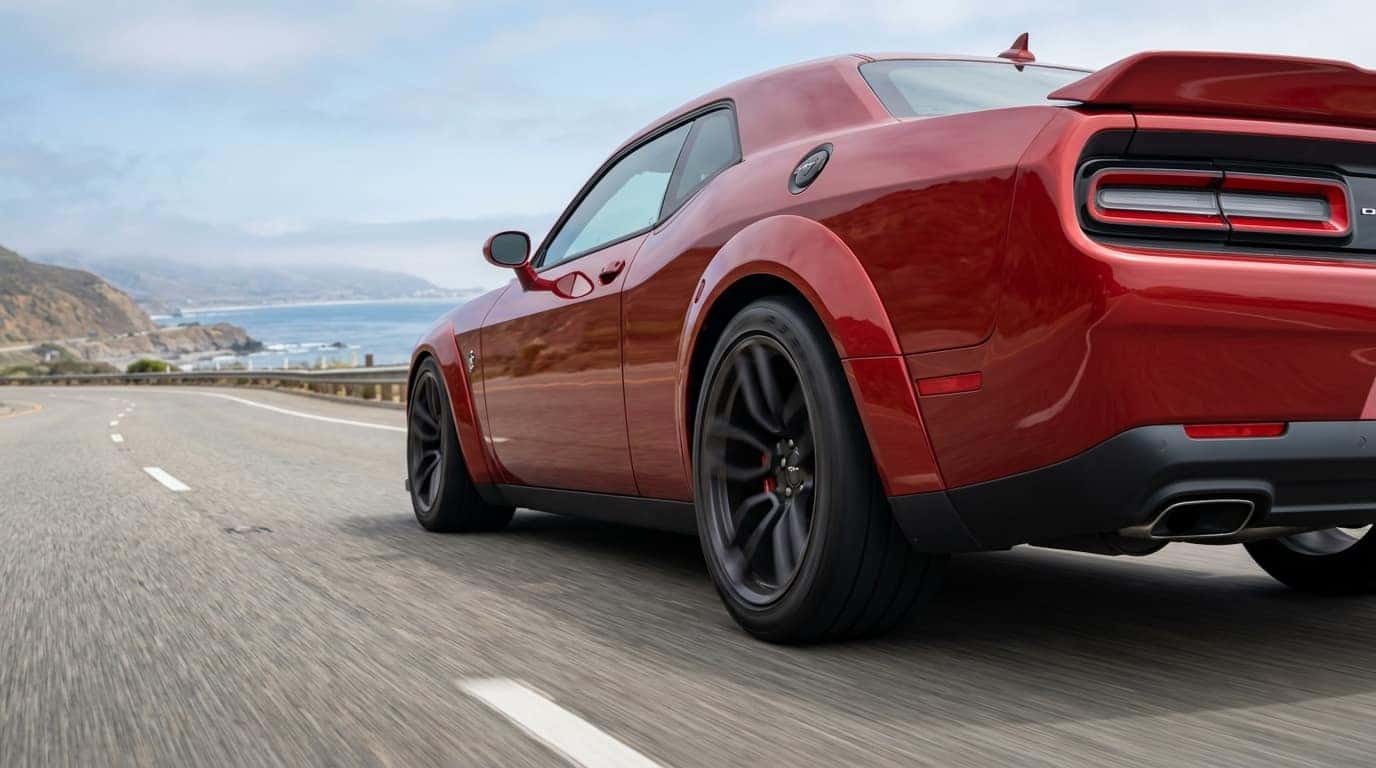
The optimal tire selection for a Dodge vehicle driven in coastal Southern California is an ultra-high-performance all-season or high-performance summer tire, depending on your trim level and daily driving habits. In a mild Mediterranean climate, high-performance all-season tires deliver responsive dry handling, maximum tread life, and dependable wet traction during coastal fog or winter rain without suffering compound degradation from freezing temperatures.
Selecting replacement tires for a high-output vehicle requires precise attention to factory load ratings, speed symbols, and tread compounds. Modern muscle cars and performance crossovers exert substantial torque through the rear or all-wheel-drive systems. Standard passenger tires lack the internal sidewall reinforcement necessary to maintain directional stability under heavy acceleration. Choosing an OEM-approved fitment ensures your power reaches the pavement predictably while preserving calibrated steering feel and anti-lock braking performance.
For daily commuting along coastal corridors near Oxnard, high-performance all-season options feature asymmetric tread designs and silica-rich rubber compounds. These engineering characteristics resist hydroplaning on damp highway asphalt while providing a quiet, comfortable cabin ride. Vehicles equipped with wide-body packages or upgraded suspension packages require specialized ultra-high-performance fitments designed specifically to prevent inner wheel well rubbing and maintain factory geometry.
Vehicle owners looking to verify factory fitments or inspect existing tread wear can utilize our online service scheduling portal to arrange a comprehensive tire inspection with factory-trained technicians. If you need immediate assistance confirming sidewall specifications, give our team a call at (805) 918-4486 for expert guidance. When you are ready for routine maintenance or balancing, our Ventura service center provides full tire mounting, computerized balancing, and four-wheel alignment services.
Table of Contents
- What Are the Original Equipment Tire Sizes for Modern Dodge Charger, Challenger, Durango, and Hornet Models?
- How Do High-Performance Summer and All-Season Tires Perform on Ventura Roads?
- How Can You Extend Tread Life and Maximize Performance on Your Dodge Tires?
- Common Questions About Dodge Tire Fitment and Maintenance
- Schedule Certified Dodge Tire Service
What Are the Original Equipment Tire Sizes for Modern Dodge Charger, Challenger, Durango, and Hornet Models?
Modern Dodge performance vehicles, like the 2026 Dodge Charger, utilize specific factory tire dimensions designed around horsepower output, drivetrain configuration, and overall vehicle weight. Original equipment fitments range from 215/60R17 tires on base crossover trims to aggressive 305/35ZR20 wide-body fitments on supercharged muscle cars.
Understanding factory tire designations helps ensure you replace worn rubber with exact physical dimensions and mechanical ratings. Below is an overview of original equipment fitments across the vehicle lineup:
- Dodge Charger & Challenger (Standard Body): Base and touring trims typically carry 245/45R20 or 245/45ZR20 fitments mounted on 20×8-inch wheels, providing an ideal balance between crisp turn-in response and highway compliance.
- Dodge Charger & Challenger (Widebody): Performance models equipped with factory flare extensions specify massive 305/35ZR20 tires on 20×11-inch wheels, maximizing the contact patch to handle elevated horsepower and cornering loads.
- Dodge Durango: Standard three-row SUV trims run 265/60R18 or 265/50R20 all-season fitments, while SRT performance variants utilize 295/45ZR20 tires rated for severe load demands and high-speed stability.
- Dodge Hornet: The compact performance crossover features 215/60R17 standard tires, with upgraded GT and R/T packages offering 225/55R18 or performance-oriented 235/40R20 wheel and tire combinations.
Attempting to mount non-standard sizes on standard-body muscle cars creates mechanical interference. For example, fitting 305mm wide tires on a non-widebody Charger causes severe tire rubbing against inner fender liners and front suspension uprights unless custom offset wheels or body modifications are installed. Maintaining factory-recommended dimensions preserves proper clearance, tire pressure monitoring sensor (TPMS) accuracy, and speedometer calibration.
When replacement tires or factory wheel components are required, sourcing items from our genuine Mopar parts department guarantees precise mechanical compatibility and factory warranty protection.
How Do High-Performance Summer and All-Season Tires Perform on Ventura Roads?
High-performance summer tires deliver unmatched dry pavement cornering grip and maximum braking force, but ultra-high-performance all-season tires offer greater versatility and extended tread wear for daily year-round driving. Selecting between these two categories depends primarily on how cold morning ambient temperatures drop and whether maximum cornering grip or long-distance durability is your priority.
Summer performance tires utilize specialized tread compounds formulated to stay soft and pliable in warm weather. However, when ambient morning temperatures drop below 45 degrees Fahrenheit, summer tread compounds begin to stiffen rapidly. Driving on hard, chilled summer rubber reduces lateral traction and can cause microscopic flex cracking along the tread blocks. During early winter mornings in inland valleys near Camarillo, high-performance all-season tires remain flexible, maintaining predictable traction on slick morning roads.
All-season tread designs incorporate full-depth siping and circumferential grooves that evacuate standing water during heavy winter rainstorms. While extreme summer tires excel on dry pavement during hot summer afternoons, all-season compounds provide superior treadwear ratings—often accompanied by 40,000 to 60,000 mile treadwear warranties—making them a practical, cost-effective choice for daily highway commuting.
Drivers seeking maximum track traction often maintain a dedicated set of summer performance tires, while everyday commuters benefit from the balanced wet traction, quiet cabin ride, and extended wear life of premium high-performance all-season fitments.
How Can You Extend Tread Life and Maximize Performance on Your Dodge Tires?
Extending tire wear life on high-horsepower rear-wheel-drive or all-wheel-drive vehicles requires rigorous adherence to routine tire rotation schedules, precise air pressure maintenance, and annual four-wheel alignments. The elevated torque output of modern V6 and V8 engines naturally increases rear tire wear during acceleration, making proactive care essential.
Following systematic maintenance habits prevents premature cupping, uneven shoulder wear, and vibration:
- Routine Tire Rotations: Rotate tires every 5,000 to 7,500 miles. Vehicles with non-directional, square fitments (same size front and rear) allow cross-pattern rotation. Staggered fitments (wider rear tires) require side-to-side rotation across the same axle.
- Cold Inflation Checks: Check tire pressure at least once per month when tires are cold. Proper inflation maintains correct tread contact across the entire footprint, preventing center-tread wear from over-inflation or shoulder wear from under-inflation.
- Wheel Alignment Service: Schedule a four-wheel alignment check once a year or immediately after hitting severe potholes. Precise toe and camber angles ensure even weight distribution and prevent rapid inner-edge scrubbing.
- Dynamic Balancing: Balance assemblies whenever a high-speed vibration is detected through the steering wheel or seat structure to prevent uneven tread cupping.
When servicing performance vehicles, factory-trained technicians verify that load index ratings match manufacturer recommendations. Using incorrect load capacity ratings allows excessive sidewall flexing under cornering stress, which accelerates heat buildup and shortens overall tire lifespan.
Common Questions About Dodge Tire Fitment and Maintenance
Q: How do I find the exact factory tire size for my Dodge before buying replacements?
The precise factory tire size, load index, and speed rating are printed on the tire information placard located on the driver-side door jamb. You can also inspect the outer sidewall of your current tires to read the full specification string, such as 245/45ZR20 99Y. Checking both sources ensures you match factory specifications, especially if a previous owner installed non-standard wheels.
Q: Can I install wider rear tires on a standard Dodge Charger or Challenger?
Standard-body Charger and Challenger models can typically accommodate up to 275/40R20 tires on factory 20×9-inch wheels without modification. Attempting to fit wider 305mm tires on a standard body leads to tire rubbing against inner fender liners and suspension components during heavy compression or hard cornering. Wide-body factory fitments require wide-body wheel offsets and flare extensions for safe clearance.
Q: Why does my tire pressure warning light activate during chilly Southern California mornings?
Tire pressure drops approximately 1 PSI for every 10-degree Fahrenheit decrease in ambient temperature. Cold morning air causes air inside the tire to contract, temporarily dropping pressure below the system threshold. Checking and adjusting tire pressure to recommended cold specifications printed on the door placard restores proper pressure and turns off the TPMS warning light once driven.
Q: How often should performance Dodge vehicles get a wheel alignment?
A four-wheel alignment should be performed at least once per year or every 12,000 miles, as well as whenever new tires are installed. High-torque vehicles with performance suspension geometry are sensitive to subtle toe and camber shifts. Regular alignments preserve straight-line stability, maintain crisp turn-in response, and prevent costly premature tire wear along the inner shoulders.
Q: What happens if I drive on high-performance summer tires during cool weather?
Summer tire tread compounds harden significantly when temperatures drop below 45 degrees Fahrenheit, leading to reduced stopping ability and decreased cornering traction. Continued driving on cold, hardened summer compounds can cause permanent stress cracks in the rubber. Transitioning to ultra-high-performance all-season tires prevents compound damage and maintains dependable braking force during cool morning commutes.
Schedule Certified Dodge Tire Service
Maintaining proper tire fitment, correct inflation, and balanced tread wear is essential for preserving the aggressive performance and braking power of your vehicle. Whether your daily commute calls for premium high-performance all-season tires or specialized fitments for high-output muscle cars, relying on certified technicians ensures mounting and alignment are completed to strict factory tolerances.
Our facility utilizes state-of-the-art tire mounting equipment designed to protect delicate alloy wheels and high-precision electronic balancing systems calibrated specifically for performance vehicles. From tire inspections and Mopar TPMS sensor replacements to full four-wheel laser alignments, our team provides complete tire maintenance tailored to your vehicle’s exact requirements.
To arrange your next tire rotation, alignment check, or replacement consultation, speak directly with our service advisors at (805) 918-4486. For comprehensive maintenance and professional installation, drop by our showroom address on King Drive to keep your vehicle performing safely and efficiently on every drive.
© 2026 Crown Dodge Chrysler Jeep RAM. All rights reserved.
0 comment(s) so far on Dodge Tire Selection and Fitment in Ventura California